




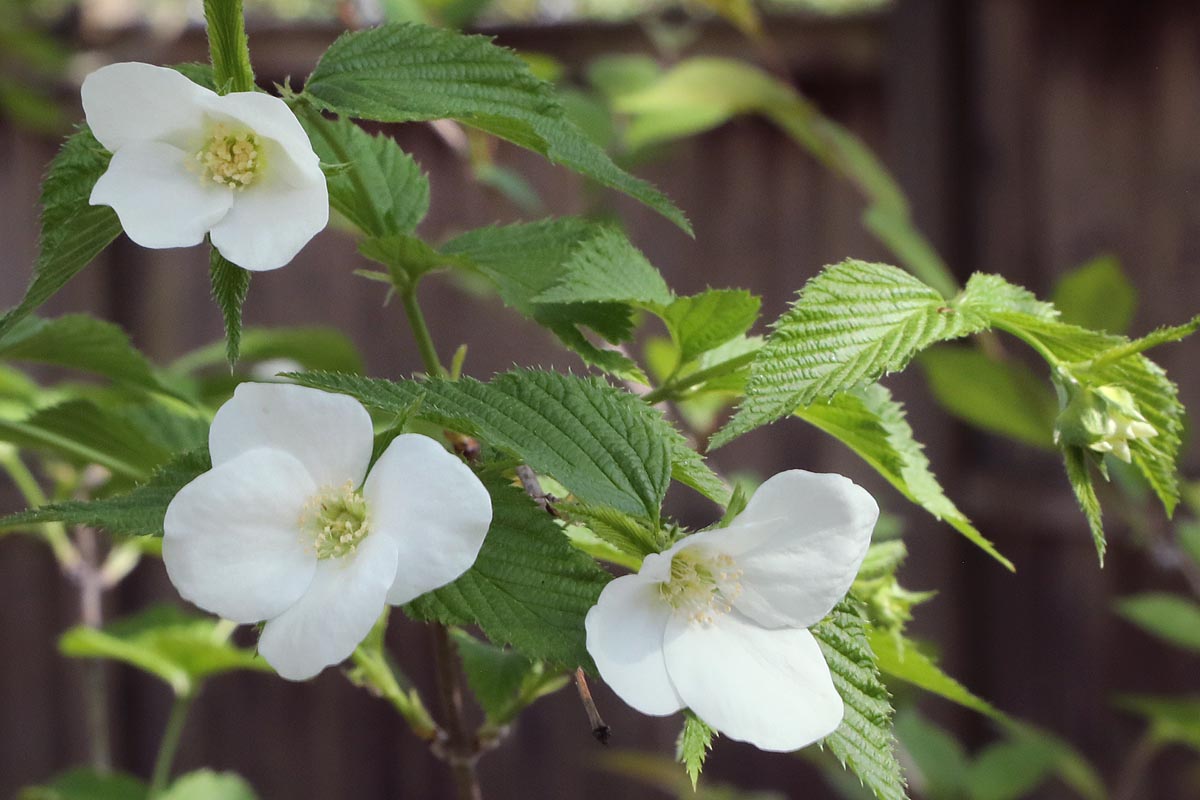
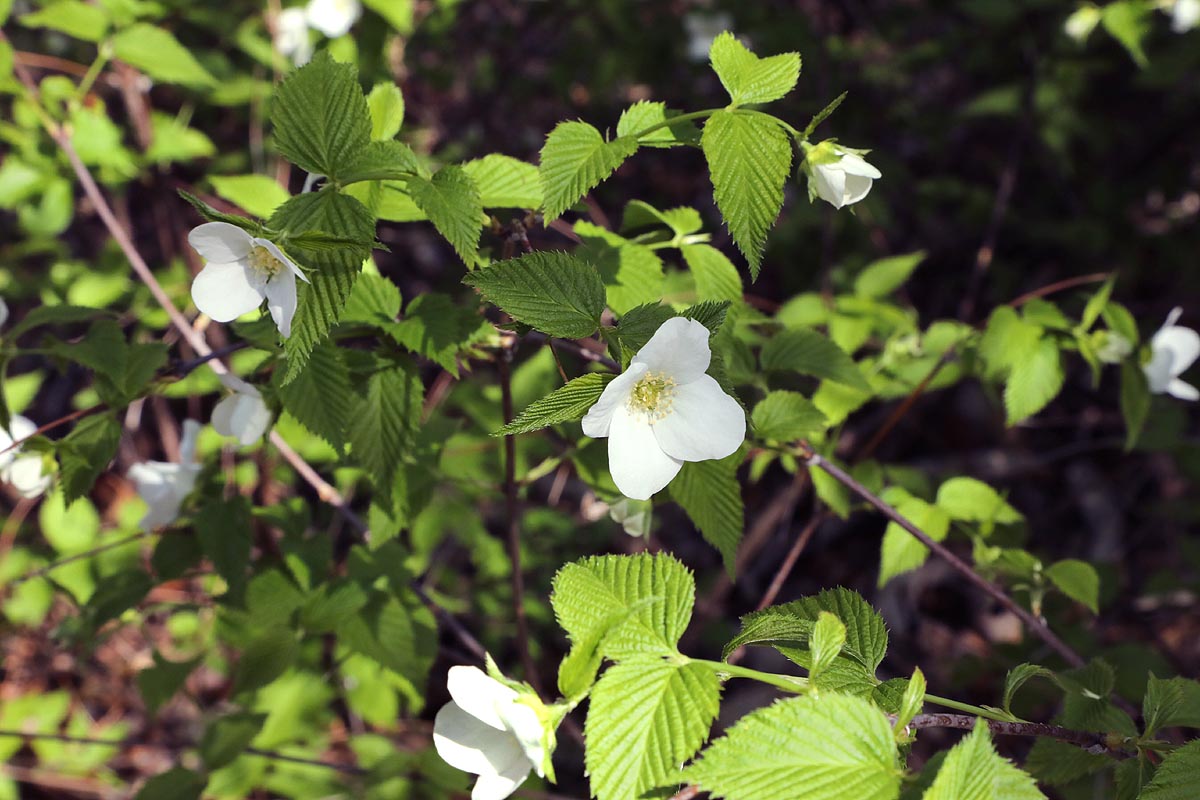
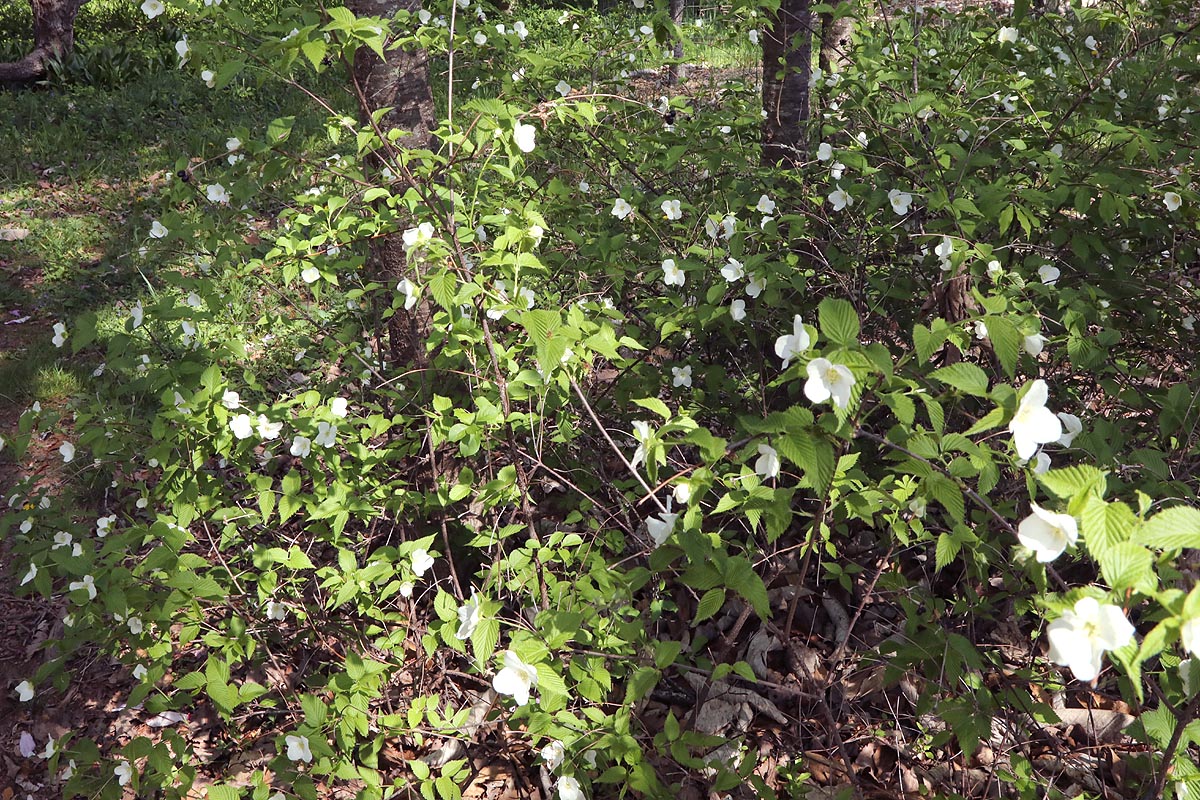
Lovely mid sized shrub that will grow in semi shaded areas and produces bright green leaves that can lighten darker spots. In mid spring it produces large white blooms at the end of the branches. Hardy to zone 4 it will grow down to zone 8 with more shade being required the warmer the zone. Fairly drought tolerant once established its not too fussy about soil type provided its well drained. Adding some organic matter around the roots will produce stronger plants with denser leaves. leaf density tends to be less in deeper shade but deer don't eat it! Seeds do need a little work to get going but its worth it for such a lovely shrub.
Place seeds in water and soak for 24 hours. if the seed coat has been removed the seeds should swell and be ready for the next stage. If not more sanding will be required.
Seeds need a period of moist stratification before they will grow. We keep all our seeds in a cold environment, mimicking the winter they would spend in the shrub this is not sufficient to get the seeds germinating. Now your seeds have swelled and are partially on their way they need a period of moist cold. We find the best method is to find a small shallow plastic container, something like a sandwich box, and partially fill with clean sterile sand. Play sand from a home improvement store is ideal. gently dampen the sand, so it is moist NOT wet. Place the seeds on the sand and then gently cover them with another coating of sand. Snap on the lid. LABEL IT WELL. Place in the back of the refridgerator where it will not be disturbed too and upset and leave it for at least 60 days. The national Forest service suggests 90 days but these seeds have not been kept in cold before treatment. We have found that 60 days seems to work fine.
If this method does not suit you refer to out Stratification Instructions to find the one that is more suitable for you.
Once stratification period is complete sow seeds in small pots or cell trays barely cover seeds. Some sources report it needs light so surface sow, the forest service says lightly coat (which is what we do and it works fine). Keep seeds in good light but not really bright at somewhere between 60-70F (15-21 C) germination usually begins within about 2 weeks but it can be spotty. We usually get about 50% germination but sometimes a little higher.
We recommend using this 'artificial' method rather than sowing seeds outside in fall or early winter and most sources we have asked (nurseries etc) have reported that this can bring very erratic and disappointing results.
Light. Will depend on your zone. In zone 4 - 5a full sun or at least partial full sun is recommended. Zones 5b-7b shrubs will do very well in dappled shade and as the zone increases more shade can be used. In Zone 7 indirect light still produces flowering shrubs although not as thick and leafy as those grown in full sun. Zone 8 shrubs will grow in fairly dense shade but again will be less full than those in dappled shade. Zone 8 will need some dappled shade during the daytime and shade from noon sun is recommended.
Soil. While it prefers a moist fertile soil the most important is good drainage it does not like wet soil. It will grow on most soil types provided extra organic material (compost) is dug in around the area for about 4 feet diameter before the shrub is planted.
Water. Once established is usually needs very little water and is considered fairly drought tolerant although it may need help in a prolonged drought. Mulching around the roots will help to keep the moisture in the soil
Synonyms Rhodotypos scandens, Kerria tetrapetala, Corchorus scandens