




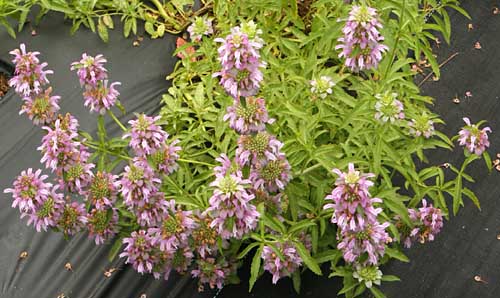
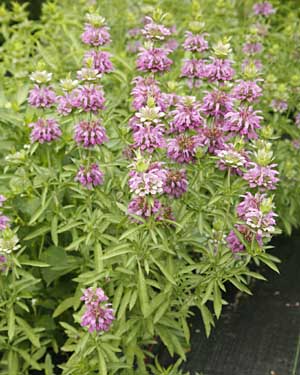
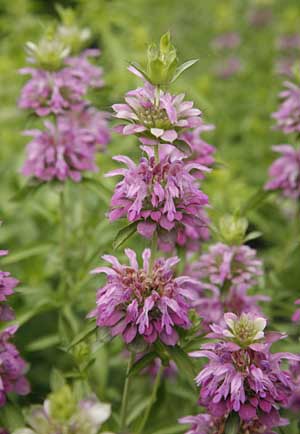
Bright purple flowers from late spring to early summer and often far beyond make this plant a must in the garden. This bright Native American annual is tough, native to the great plains its used to drought and poor soils and does better on well draining poorer soils with no fertilizer. In warmer southern states it can be grown as a winter annual blooming in the cooler months and dying back when the summer heat arrives. In the north it acts like a regular annual with long lasting blooms of its bushy stems. Lemon Bergamot also called Lemon Beebalm has a strong citrus aroma when brushed against or crushed. This means that wildlife don't eat it but pollinators especially butterflies and humming birds flock to its rich nectar supply. Very easy to grow takes almost no maintenance and flower profusely. Its also edible great it drinks, salads and cooked dishes. Rub it on your skin to repel mosquitoes.
Due to the small nature of the seeds and the fast that they need light to germinate is why we recommend starting indoors as surface spread seeds are more susceptible to predation by birds and other wildlife. Better results are is achieved when seeds are started under your control
Choose a good fine sterile seeding mix use either flats or individual cell trays fill with mix and moisten then lightly sprinkle the seeds over the surface then using a spray bottle water the mix to push the seeds down into it and give it good contact. Keep the seeding mix moist but not wet until seedlings sprout. We recommend using a spray bottle until seedlings are large enough to be watered using a small watering can and are ready for repotting into larger individual pots. Seeds need light and warmth optimum temperatures about 68F (20 C) sprouting can vary from as soon as a week to over 4 weeks especially if in cooler temperatures.
Once seedlings are large enough to handle transplant to individual pots and grow on until plants are at least 4-5 inches (10-12cm) tall before planting out. Ensure plants are well hardened off before placing in full sun or they will burn. Transplant after all danger of frost has passed.
While Lemon Bergamot is heat tolerant its susceptible to high heat and will often wilt or die if the heat is too great this is especially true if there is high humidity so choose your planting time well and enjoy the flowers at the best time for your zone.
Soil Type. Must be well drained, does not do well on soils that hold water and are wet will rot out the roots. Its native habitat is rocky sandy soil but it will adapt to almost any kind provided its well drained and not radically acid or alkaline..
Light. In zones 4-7b full sun all day is recommended in hot zones a little shade from the noon sun is suggested to ensure longer lasting plants. It will need about 6 hours of full sun but can tolerate a little dappled shade. Too much shade and it will grow tall and leggy with less flowers.
Spacing. Plant at least 12-18 inches (30-46cm) apart especially in warmer zones as the plants need room to branch out and also have good airflow. In more humid climates this helps prevent powdery mildew which is an issues with all plants in the bee balm family. Offering more space provides higher likelihood of bushy plants that produce more flowers.
Water. Once established Lemon Bergamot is fairly drought tolerant as it produces large tap roots. Regular watering until the plant is established is recommended if rainfall is not sufficient, additional water is also suggested if larger more robust flowering plants are desirable. However too much water can produce bloated plants containing less essential oils and herbal compounds so not more than 2-3 times a week unless its a high heat, low water period.
Fertilizer. None needed unless the soil is very poor and has almost no organic material at all. Lemon Bergamot is native to poorer soils and too much fertilizer will only impede growth rather than stimulate it. Larger lush leaves will be produce instead of flowering. It can also open the plant up to more diseases. Poorer soils are better.
Little other maintenance is required except to enjoy this plants beautiful flowers. For avid gardeners there is always weeding. Pinching out can encourage plants to become more bushy and flower more profusely. Deadheading can encourage more flowers to form, but for most gardeners just leaving it alone is fine.
Will need removing after the plant has died ready for next year. Plants may self seed to be enjoyed again next year.
It was used to treat Respiratory ailments such as colds, coughs, and bronchial congestion most commonly in the form or a hot tea on inhaling the steam from plants to help clear lung and nasal congestion. For the same reasons it was used to treat high fevers and feverish illnesses.
Such teas were also used to help calm the digestive system from indigestion, bloating, and stomach cramps, as well as to treat mild abdominal pain. Soaking the leaves and flower sin warm water to help release the volatile oils the water was then used as a mouthwash and for throat infections.
Externally due to its antiseptic properties, poultices and washes of Monarda can be applied to skin infections, wounds, and burns as well as bee stings and insect bites. The plant can be chewed then the mashed up sections applied to the sting. .
Monarda citriodora's antifungal power is notable, particularly against yeasts and molds. Research indicates the essential oil is fungistatic and fungicidal against a variety of fungi. Of special interest is Monarda's effect on Candida albicans (the yeast responsible for thrush and many fungal infections). Studies have found that Monarda preparations - including hydrosols (distilled aromatic waters) and herbal teas - are effective at inhibiting the filamentous form of Candida, which is associated with invasiveness and biofilm.
As a dried flower as the blooms hold their color well making it an excellent choice for dried arrangements and bouquets.
As an insect repellent. Due to the high citronella content its good are repelling many bugs and fresh and dried bunches can be hung around to keep bugs away. Historically bunches were placed in grain stores to repel moths and other pests. Rubbing the fresh plant on the skin can repel mosquitoes. Early folklore states that this herb, hung around the home and doorways can prevent illness from entering. Most likely because it repelled the insects that carried such illness.
Some reports state that growing it near tomato plants helps repel and reduce damage from tomato hornworm.
As a dye it can produce soft colors of yellow and green.
Dried flowers are used in potpourri and sachets for their lasting fragrance.
Other names.
Lemon Beebalm, Lemon Mint, Lemon Bergamot, Lemon Horsemint, Purple Horsemint, Plains Horsemint, Purple Lemon-Mint, Bee Balm, Oaxaca Lemon Mint